


Progressive blackjack reshapes the usual table rhythm by adding a shared jackpot layer that grows with every qualifying bet. For players comparing a slower card game against faster pokies, the appeal is simple: you keep the familiar hit and stand decisions while a separate meter ticks upward in the background. In Australian parlance, it is less about chasing a flashy payout and more about finding a table that suits your patience, your bankroll, and the way you like to manage risk. If you have ever stood on a delayed Sydney train watching the timetable slip, you know the feeling of waiting for something that may or may not arrive on time; progressive tables ask for the same kind of measured expectation.
How the progressive side pot works at the table
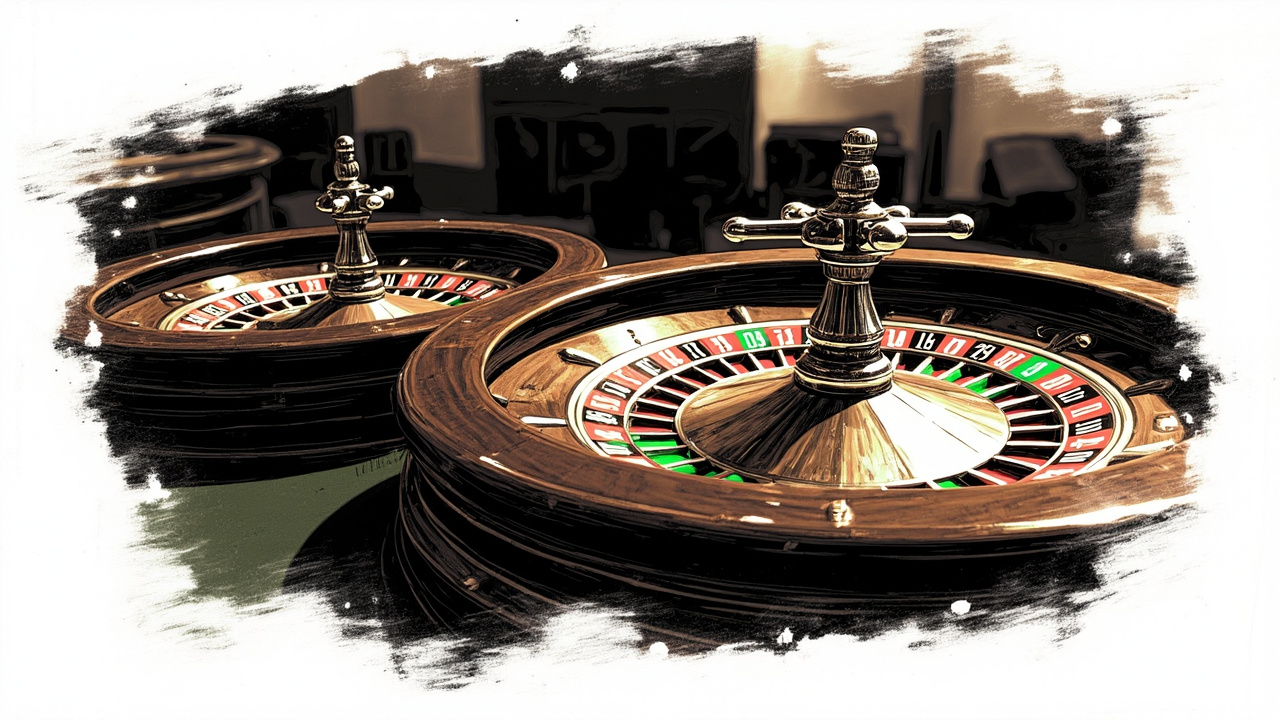
The central mechanic is a separate jackpot contribution that sits beside the normal blackjack payouts. A small fraction of each qualifying wager feeds a pooled meter, and the table rules spell out the exact hand or bonus combination needed to trigger it. That means the main game still pays standard blackjack odds, while the progressive element operates as a long-shot overlay rather than a replacement for the basic hand. Players who prefer steady decisions over lottery-style hope usually treat the meter as scenery, not a strategy pivot.
Game providers typically deliver these tables through familiar streaming or software formats, with the progressive meter visible in the interface alongside bet controls and history. The branding and table limits vary, but the underlying structure stays consistent: a main bet, a side contribution, and a defined trigger condition. Because the jackpot pool can sit at different levels depending on play volume, the advertised figure is a snapshot rather than a promise. Anyone weighing an afternoon session in Geelong should read the trigger rules first, since the difference between a six-card hand, a specific suited combination, or a royal match can decide whether the side pot is even reachable from your seat.
Independent testing labs run similar RNG audits on online games before they reach public tables, which is the same kind of verification you would expect before trusting any digital draw. That does not make a progressive hand predictable, only that the underlying shuffle and trigger logic have been checked against published standards. The practical takeaway is that the side pot is a separate event with its own requirements, not a hidden tweak to the basic blackjack odds.
Reading the table before you press deal
A progressive table rewards a slower read than a standard bankroll sprint. Start with the contribution rate, because even a small percentage per hand can drain a modest session if you are playing long and flat. Next, check whether the trigger requires a specific hand type, a bonus pay, or a combination that only appears at certain bet levels. Some tables make the jackpot reachable only when you cover the side bet at a minimum stake, which changes the effective cost per round and the frequency of meaningful attempts.
The main blackjack decisions still matter, and the usual fundamentals apply: know when to stand on stiff totals, when doubling is sensible, and when the dealer’s upcard makes a marginal hand worth pressing. The progressive layer does not rewrite those choices, but it can tempt players to overbet the side contribution in search of a rare hit. A better fit is treating the meter as a background feature and keeping the main bet aligned with your session limit. If you have queued on a Saturday at a Bunnings sausage sizzle, you know the value of turning up with a plan rather than improvising once the line starts moving.
Mobile usability shapes how often you can check the meter without losing the rhythm of the hand. A browser-based table that loads quickly and keeps the bet controls within a thumb’s reach is often more practical than a cluttered app screen that buries the side pot behind extra taps. Responsiveness matters most when you are switching between reading the dealer’s card, adjusting stake, and watching the jackpot figure update. Navigation should stay predictable across rounds, with history and settings easy to find without dragging the game into a laggy pause. For players who prefer a phone-first session during a quiet arvo, that mobile-first fit can matter more than flashy animations.
Positioning also affects how the table feels over time. A well-organised interface keeps the main hand, side bet toggle, and progressive meter in clear view, so you are not guessing which element just changed. Support and registration details should be straightforward enough to sort out before you fund the account, because a delayed sign-up or unclear verification step can turn a simple session into a drawn-out admin task. Loyalty features, when present, usually track regular play rather than jackpot hits, which is worth keeping in mind if you are comparing a progressive table against a straight blackjack game with a different rewards structure.
Who the progressive format suits best
This format works for players who already enjoy blackjack decisions and can separate the main hand from the long-shot meter. If you like the discipline of basic strategy and do not mind a slow-building feature that may never pay out on a given night, the progressive side pot adds a different kind of interest without changing the core game. It is less suited to anyone chasing quick, predictable returns or anyone who treats every session as a direct path to a set withdrawal.
Bankroll discipline matters more here than in a flat table, because the side contribution can quietly add up across many hands. A sensible approach is to decide the maximum you are comfortable putting through the meter before you start, then keep the main bet within a range that leaves room for ordinary variance. That mindset lines up with how seasoned operators think about risk in other markets: you plan for the expected shape of the game, not for a single lucky spin. Bookmakers limit or ban customers they suspect of arbitrage or matched betting, which is a useful reminder that structured advantage play and casual entertainment are not the same thing, and the same kind of boundary thinking applies when you are deciding how much of your session belongs to the side pot.
A short note on terms worth knowing: https://teamgodzilla.org Blackjack: Skill, Chance, and Smart Play

- Progressive meter: the pooled jackpot figure that grows with qualifying contributions.
- Side bet: the separate wager that feeds the progressive pool.
- Trigger condition: the specific hand or combination required to win the jackpot.
- Main bet: the standard blackjack wager that pays ordinary table odds.
Progressive blackjack is best viewed as a different priority set rather than a better one. If the main draw is the card decision itself, the meter can stay in the background; if the draw is the possibility of a rare pooled payout, the contribution cost and trigger rules deserve the same attention you would give any other table feature. Played with that distinction in mind, the format can fit a patient session without pretending to rewrite the odds.
