


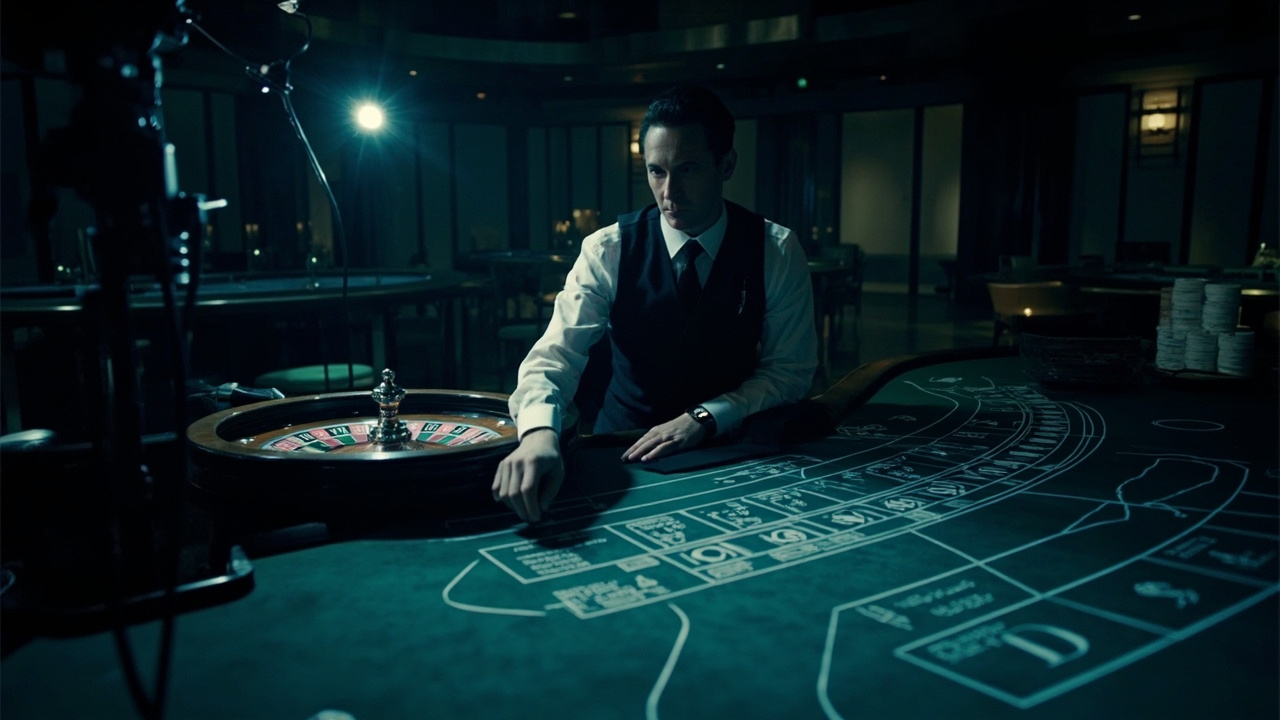
There is a particular kind of patience required when you watch a dealer shuffle cards on a screen, especially when the feed stutters just as the flop lands. Live tables promise the texture of a bricks-and-mortar floor without the carpet burns or the smell of old cigarettes, but the experience lives or dies on the people running the shoe. This piece walks through how those presenters actually operate inside Australian-facing rooms, what the interface asks of you, and where the whole arrangement starts to fray at the edges. If you are already tracking a joka vip login before the first hand, you will want to know whether the human element holds up when the conversation turns to limits and local rules.
The Human Pace Behind the Stream
A live dealer is not a hologram with a better haircut; they are a person managing a physical shoe while reading a chat window and keeping eye contact with a camera that rarely forgives a bad angle. The best rooms pace themselves like a well-run counter at a country pub on a Saturday arvo, not like a stopwatch set to panic. Cards are dealt with visible hands, roulette wheels spin on actual felt, and the presenter calls the result in a tone that sits somewhere between a schoolteacher and a seasoned croupier. The trick for a player is recognising that the human rhythm sets the tempo, which means you cannot rush a shoe just because your connection is flat out like a lizard drinking. When the presenter pauses to confirm a bet or clarify a rule, that is not a glitch in the matrix; it is the whole point of having a person in the frame rather than a random number generator wearing a tie. The trade-off is simple: you get a room that feels lived-in, but you also inherit the slight delays, the occasional muted mic, and the reality that a human being cannot reshuffle a deck the instant you change your mind about a side bet.
Localisation and the Interface You Actually Use
The screen in front of you needs to behave like it was built for someone who expects dollars, familiar phrasing, and a layout that does not require a translation degree. Good rooms keep the currency display obvious, the bet controls within a thumb’s reach on a phone, and the rule prompts in plain English rather than a glossary that reads like it was assembled by a committee. Navigation should let you move from blackjack to baccarat without feeling like you have wandered into a different building every time you tap a tab. Search, if it exists, ought to surface the table you want by game and stake rather than dumping you into a wall of promotional banners. When the interface is doing its job, you barely notice it; when it is not, you spend half the session fighting buttons that hide behind menus or labels that assume you already know the house terminology. The practical test is whether you can read the table limits, place a chip, and see the result without three extra taps and a prayer. Zadengi
Where the Limits Actually Sit
Every live room runs on rules that are more concrete than the marketing copy, and the ones that matter most are the ones that quietly shape what you can and cannot do. Table limits are not decorative; they tell you whether a game is built for a cautious spread or a loud one, and they change the way a shoe feels from the first hand to the last. Verification is part of the same machinery, because a room that lets anyone stream in without checking who they are is usually one that will ask questions later when money starts moving in the opposite direction. The presentation can be polished, the dealers can be sharp, and the stream can still be tied to a set of terms that cap withdrawals, set timeframes, and define what counts as a qualifying bet. None of that is mysterious, but it does mean the experience is not a free pass; it is a structured room with a door, a sign-in sheet, and a list of conditions you are expected to read before you sit down.
How the Session Usually Unfolds
A sensible playthrough is less about luck and more about knowing the order in which things happen, because the room rewards the patient and punishes the impatient in equal measure. The sequence is straightforward once you have done it a couple of times, and it is worth learning before you place a single chip.
- Pick a table by game and stake, then read the rule strip and the limit display before you commit.
- Check the currency and any local terms that apply to the room you are entering, so the numbers on screen match the numbers in your head.
- Join the seat, watch the first round or two to gauge the dealer’s pace, and note whether the chat is active or just decorative.
- Place a bet within the posted limits, keep your stake within what you are comfortable losing, and let the shoe run its course. joka vip login
- When the round closes, review the result on the board, then decide whether to stay, move, or step away rather than chasing the next hand on instinct.
The Bigger Picture Around the Table
It helps to remember that live tables do not float in a vacuum; they sit inside a broader industry where the money, the licences, and the taxes all pull in different directions. Macau’s gaming concessions are among the most valuable licences in the world, which is a useful reminder that a polished stream does not make the underlying structure simple. Closer to home, the old local landmarks still shape how people think about a proper gaming room, and Wrest Point’s revolving restaurant offered panoramic views over the Derwent long before anyone started streaming cards into a browser. The point is not to romanticise either place; it is to recognise that presentation and regulation are different jobs, and the taxes charge operators based on the bettor’s location, not the licence’s, which is why a room can look familiar without being identical to the floor you remember from a holiday. A fair go in this context means knowing what you are paying for, what you are not, and where the room draws the line between entertainment and obligation.
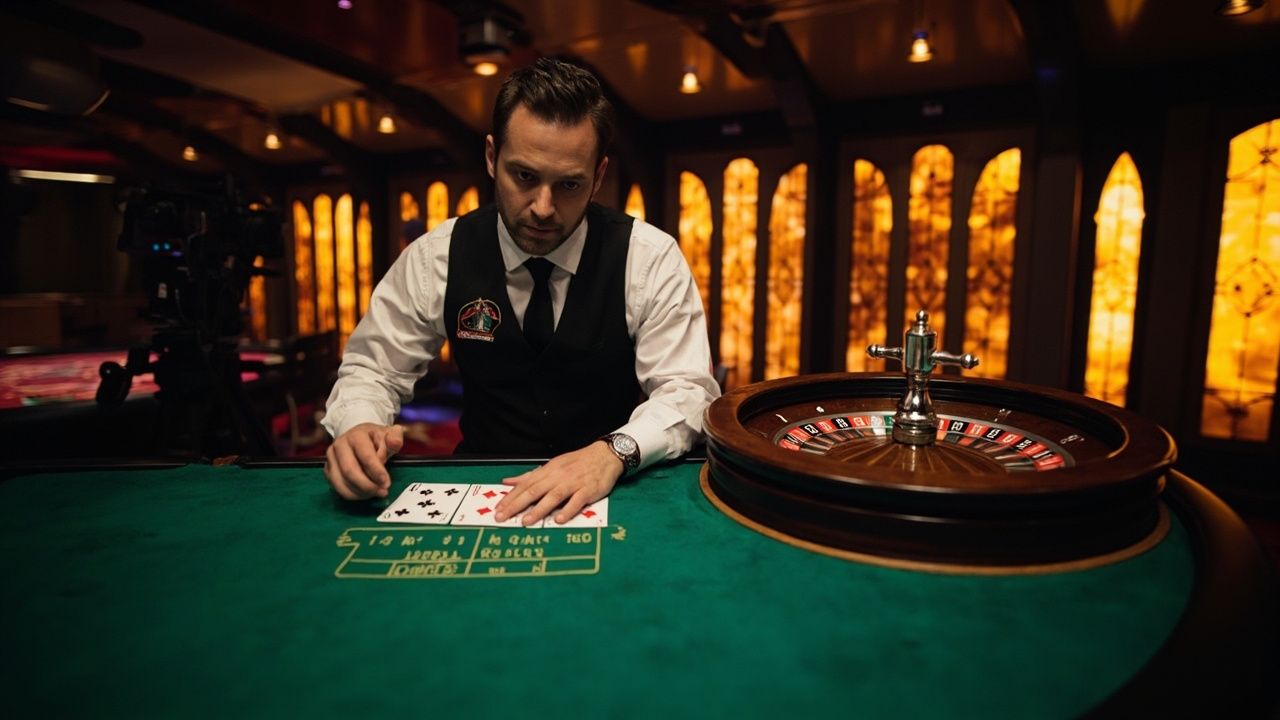
A decent live table is not a miracle; it is a room with a camera, a person at the felt, and a set of limits that you can read before you bet. The dealers matter because they set the tempo, the interface matters because it decides whether you can actually follow that tempo, and the rules matter because they define what the whole thing is allowed to be. If the stream is clear, the table is honest, and the terms are readable, then the experience earns its keep as a way to sit in on a game without pretending it is something it is not.
